
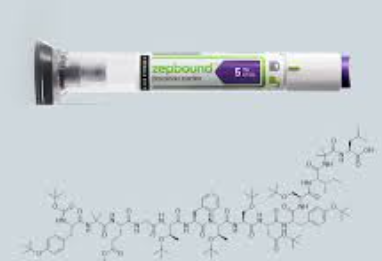

For those exploring tirzepatide options, finding the best price for tirzepatide often involves balancing cost, access, and safety considerations. While cheaper prices may appear attractive, understanding the broader context behind pricing and availability is essential before making purchasing decisions.
Understanding Tirzepatide Pricing Variability
Tirzepatide is a newer medication with a price structure influenced by several factors. Brand-name versions typically come with higher costs due to development and marketing expenses, while compounded versions may offer lower prices but raise questions about regulatory oversight and quality consistency. Insurance coverage, pharmacy choice, and geographic location also significantly impact out-of-pocket expenses.
Compounded Tirzepatide: Access and Cost Considerations
Compounded tirzepatide is prepared by specialty pharmacies that mix ingredients to create a medication tailored to specific needs or dosages. These compounded forms can sometimes be more affordable and accessible for patients who face coverage or supply limitations with standard prescriptions. However, compounded drugs are regulated differently than FDA-approved medications, which can affect consistency, safety, and legal protections. Evaluating the credibility of the compounding pharmacy and their quality controls is critical.
Insurance and Assistance Programs Impact on Cost
Insurance plans vary widely in how they cover tirzepatide, with some requiring prior authorizations or imposing high copays. Manufacturer assistance programs and patient support foundations may offer financial help but often have eligibility requirements. Comparing these options carefully can reduce the net cost but involves administrative effort and time.
Practical Framework for Evaluating Tirzepatide Options
When seeking the best price for tirzepatide, consider these practical criteria:
– Total cost: Include medication price, copays, and any shipping or compounding fees.
– Quality assurance: Investigate whether the medication is FDA-approved or compounded, and look for pharmacy accreditations.
– Access convenience: Assess how easy it is to obtain refills, delivery options, and insurance processing.
– Support services: Check for patient education resources, consultation availability, and financial assistance.
– Risk tolerance: Understand the potential risks of compounded medications versus brand-name drugs.
This approach helps balance affordability with safety and convenience.
Where to Find Reliable Price and Quality Comparisons
Navigating multiple providers and pharmacy options can be overwhelming. To assist in comparing prices and features of compounded tirzepatide providers, this FormBlends breakdown offers a detailed comparison hub. It highlights pricing, pharmacy credentials, and access considerations to help make an informed decision.
Frequently Asked Questions
Is compounded tirzepatide legal and safe?
Compounded medications are legal when prepared by licensed pharmacies following state and federal guidelines. Safety depends on the pharmacy’s quality standards, so verifying their credentials is important.
How much cheaper is compounded tirzepatide compared to brand-name?
Prices vary widely by provider and dosage, but compounded options can be significantly less expensive. However, exact savings depend on insurance coverage and location.
Can insurance cover compounded tirzepatide?
Insurance coverage for compounded medications is often limited and varies by plan. It is advisable to check with your insurer and pharmacy about coverage options.
Final Note
This discussion is intended for informational purposes only and does not constitute medical advice. Patients should consult healthcare professionals to determine the best treatment options for their individual needs.
What to verify before acting
Before a reader relies on any comparison about cheapest compounded tirzepatide, the safest move is to confirm the basics directly. Check when the page was last updated, whether the criteria are explained clearly, and whether the recommendation separates facts from marketing claims. It also helps to compare total cost, access requirements, support, refund language, and any limits that could change the real-world value of an option.
The goal is not to find a perfect answer from one article. The goal is to narrow the search to a short list, understand the tradeoffs, and know which questions to ask next. That approach is slower than clicking the first result, but it usually produces a better decision and reduces the chance of being pulled in by a page that ranks well without explaining enough.

